
Educational information only. Not legal advice. Not a law firm. Read the full notice
Evidence

What counts as evidence in court

In court, what matters is not what you believe happened but what you can show. Evidence is the bridge between the two.

  • About 2 minread
  • General ideashold in most courts
  • Checked October 26, 2026educational only
The short version

Courts generally want evidence that is relevant to a question in the case and that can be checked. The rules on what is admitted are detailed, so treat this as a general guide.

Relevant means it matters

A fact is relevant when it helps prove or disprove something the court has to decide.

Proof, not opinion

Courts usually prefer records, documents and sworn statements over general opinions about what happened.

Be ready to explain it

For each piece of evidence, be able to say what it shows and how it connects to your point.
Keep going

Your next step

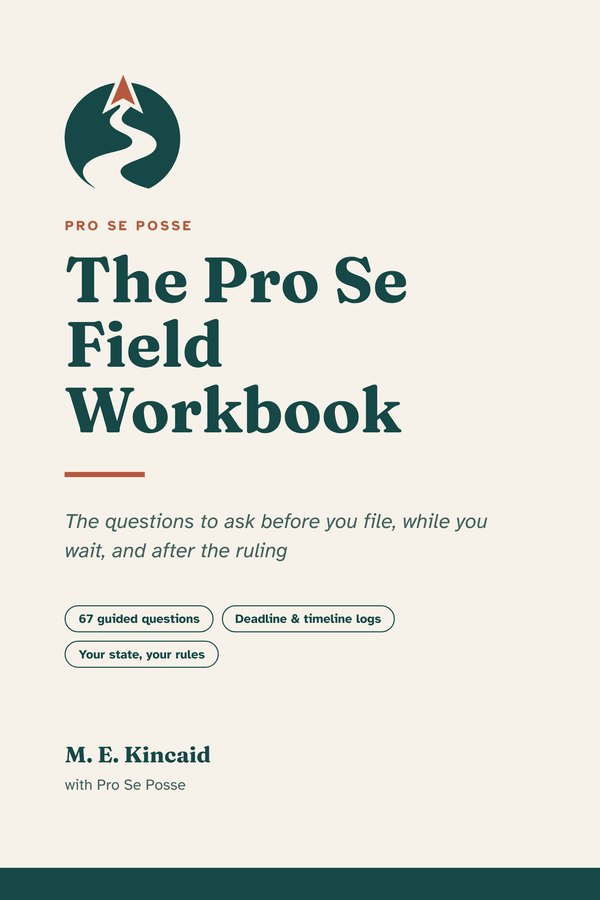
The Pro Se Field Workbook

Take this page further

The Pro Se Field Workbook turns pages like this into questions you answer for your own case. It never tells you what to do in your case; it asks the questions that help you find out.

$14.99
Printable PDF.

Last checked: October 26, 2026. This page covers general ideas that hold in most courts. Rules differ by state and by court, so look up the rules for yours.

Educational information only. Not legal advice, not a law firm, and no attorney-client relationship. Nothing here tells you what to do in your own case.