
Educational information only. Not legal advice. Not a law firm. Read the full notice
Motions

What a motion is, in plain words

A motion asks a judge to make a decision. It is the usual way to ask the court for something in the middle of a case.

  • About 2 minread
  • General ideashold in most courts
  • Checked October 26, 2026educational only
The short version

People sometimes call any paper they file a motion. In court, a motion is a specific kind of request with its own papers and timing.

What a motion asks for

A motion might ask the court to dismiss part of a case, to give more time, to compel a response, or to decide an issue before trial. Each one asks for a specific result.

What a motion is not

A motion is not a trial. Usually the judge decides it on the papers, sometimes after a short hearing.

Why timing matters

Motions usually have notice and response rules. The papers you receive or the court's rules say when things must be filed and served.
Keep going

Your next step

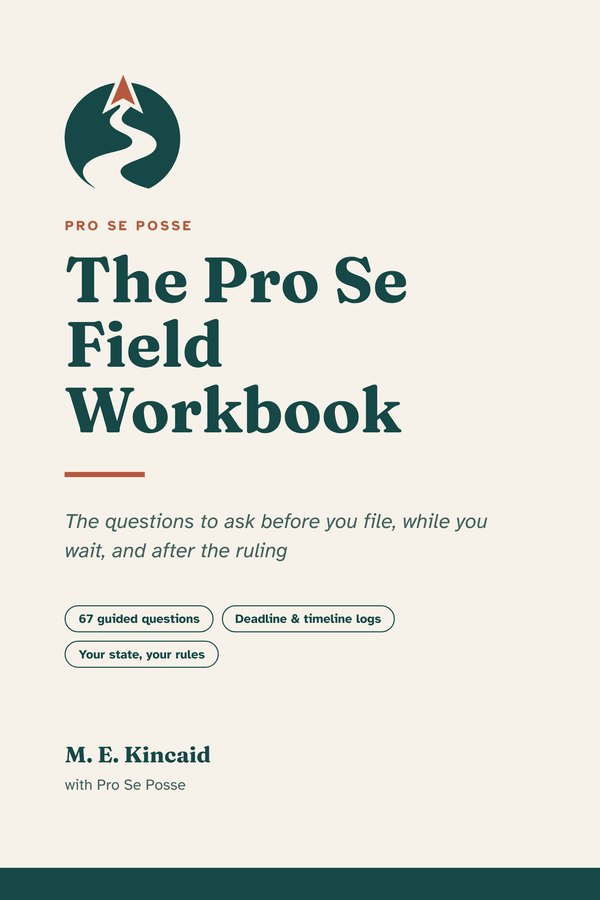
The Pro Se Field Workbook

Take this page further

The Pro Se Field Workbook turns pages like this into questions you answer for your own case. It never tells you what to do in your case; it asks the questions that help you find out.

$14.99
Printable PDF.

Last checked: October 26, 2026. This page covers general ideas that hold in most courts. Rules differ by state and by court, so look up the rules for yours.

Educational information only. Not legal advice, not a law firm, and no attorney-client relationship. Nothing here tells you what to do in your own case.