
Educational information only. Not legal advice. Not a law firm. Read the full notice
Motions

How to respond to a motion

When the other side files a motion, you usually have a set time to respond. Missing that time can mean the judge decides without hearing from you.

  • About 2 minread
  • General ideashold in most courts
  • Checked October 26, 2026educational only
The short version

A response, often called an opposition, answers each point the other side makes. It does not need to be long to be effective.

Read the whole packet first

Note what is being asked, when you must respond and where to file.

Answer each point

Go through the motion paragraph by paragraph and say which points you agree with and which you dispute, with proof.

Attach your proof

Use documents and sworn statements you can point to. Label them and refer to each one in your response.

Ask for what you want

End with a clear request, such as denying the motion or asking for a hearing, and confirm you filed and served it.
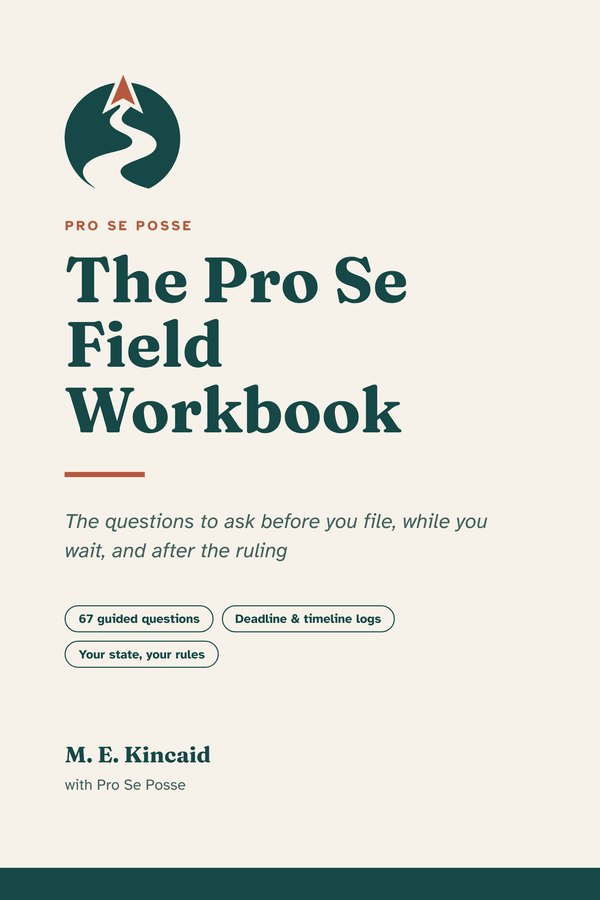
The Pro Se Field Workbook

Take this page further

The Pro Se Field Workbook turns pages like this into questions you answer for your own case. It never tells you what to do in your case; it asks the questions that help you find out.

$14.99
Printable PDF.

Last checked: October 26, 2026. This page covers general ideas that hold in most courts. Rules differ by state and by court, so look up the rules for yours.

Educational information only. Not legal advice, not a law firm, and no attorney-client relationship. Nothing here tells you what to do in your own case.